
How to Develop a Custom Product in India: From Pinterest to Production
A step-by-step guide to turning a Pinterest save or mood board image into a manufactured product, from reference to export-ready production.
September 6, 2026
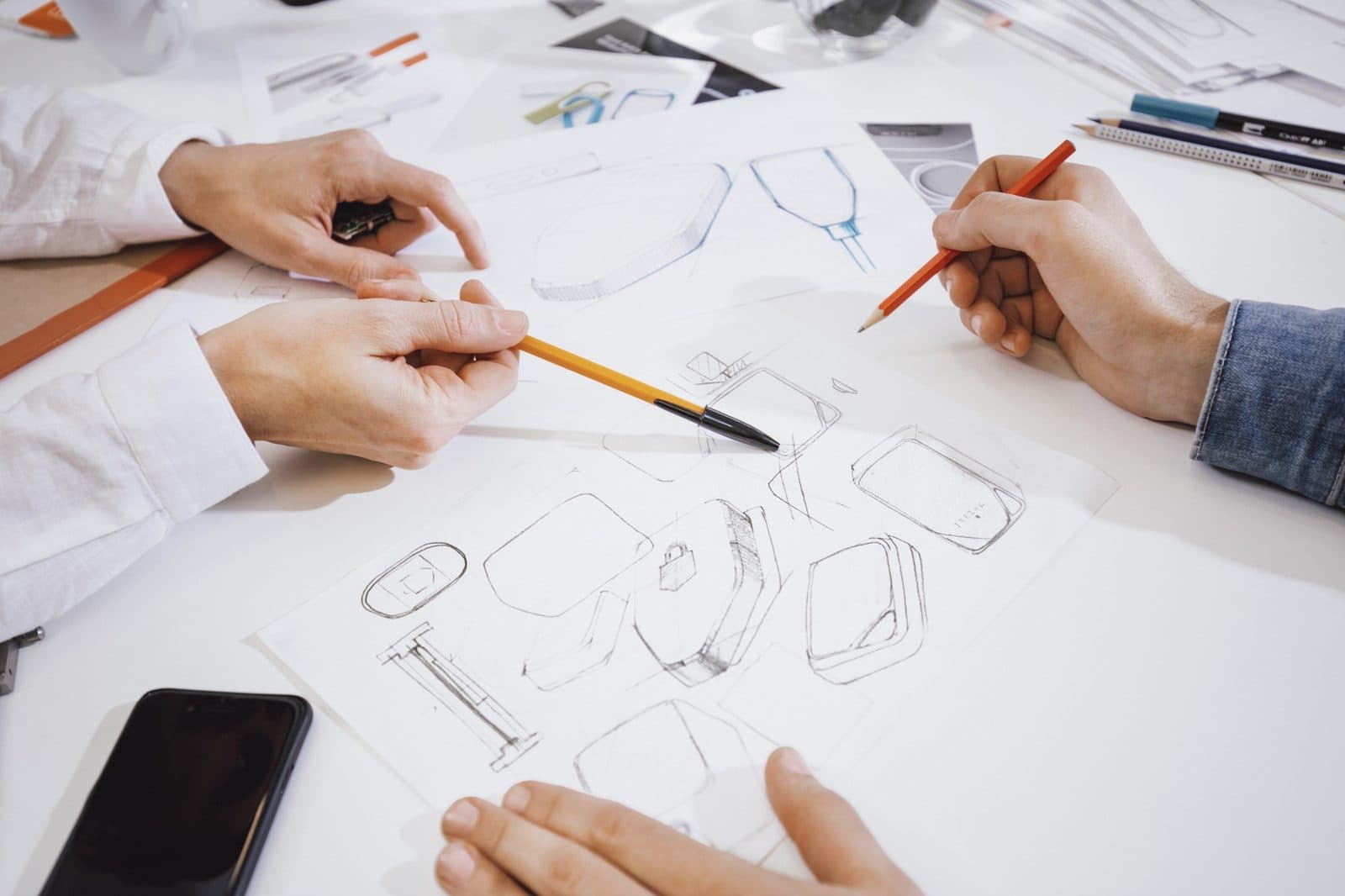
Most custom products don't start in a factory. They start with a saved image: a Pinterest pin, a screenshot from a competitor's catalog, a photo from a trade show, or a rough sketch on a napkin. If you're a brand owner or designer sitting on one of those images with no manufacturing relationship yet, the gap between "I like this" and "I can sell this" can feel wide. It isn't, once you understand the sequence a reference actually goes through to become a produceable, exportable product.
This is that sequence, laid out step by step, the way it works when you bring a reference to a manufacturer that already runs a dedicated custom development capability rather than treating custom work as a side project.
You do not need a technical drawing, a CAD file, or a spec sheet to begin a conversation with a manufacturer. A clear image, a few reference angles, or even a well-described concept is a legitimate starting point. What that image gives an experienced manufacturing team is enough to identify:
The rest of the process exists to turn that initial read into something precise enough to actually manufacture.
The process begins with sending across whatever you have: an image, a link, a mood board, or a physical sample if you own one. Along with the visual, it helps to share any early thinking on quantity, target price point, intended market, and end use (retail, hospitality, contract, gifting). None of this needs to be finalized. The goal at this stage is simply to give the manufacturing team enough context to route your idea to the right specialists.
Once a reference is shared, it gets reviewed against what is actually achievable in production. This is the step that separates a hopeful idea from a manufacturable product. A design team or artisan lead looks at the image and asks practical questions: Is this shape achievable in the proposed material without excessive waste or fragility? Does the finish in the reference photo correspond to a real, repeatable process, or is it a rendering effect that won't survive contact with actual metal, wood, or glass? Are there structural issues, like an unsupported cantilever or a joint that won't hold up under normal handling, that need to be adapted?
This is also where material substitution conversations happen. A design conceived in one material can often be reinterpreted in another — a wood silhouette rendered in metal, a glass form adapted for a more shipping-durable finish — without losing the character that made the reference appealing in the first place.
Indiecrafto operates across six core categories — metal, wood, glass, rattan, home accents, and rugs & carpets — alongside a dedicated Custom B2B capability built specifically for end-to-end product development tailored to a brand's own designs. Once feasibility is confirmed, your reference is matched to whichever category and production unit is best suited to execute it, or to a combination of capabilities if the product spans materials (a metal base with a rattan shade, for instance, or a wood frame with glass inlay).
With the product classified and feasibility confirmed, you receive a quotation. This is where the specifics that vary product-to-product get defined in writing, including:
It's worth being upfront here that custom MOQs are genuinely variable. On selected, ready-to-produce products, standard MOQ runs 20–25 pieces per SKU. Custom development is different: the minimum depends on the material, the complexity of the design, whether new tooling or molds are needed, the finish, and packaging requirements. A simple adaptation of an existing production process might carry a low MOQ close to standard levels; a design requiring dedicated tooling will carry a higher one, because that tooling cost needs to be spread across enough units to make sense. There is no honest way to quote a single custom MOQ number without seeing the actual reference and requirements, which is exactly why this step exists before any commitment is made.
Before any bulk production commitment, a sample is produced. This is the single most important checkpoint in the entire process, and it exists for a reason that's easy to underestimate: photographs and mood boards compress a huge amount of information. Scale, weight, exact color, surface texture, and how a finish behaves in different lighting are all things a reference image can only approximate. A physical sample closes that gap.
During sample development, the production team works from the approved spec — the material, dimensions, and finish agreed on after the feasibility check — and builds a real, physical unit for your review.
When the sample arrives, this is the point to be exacting. Check it against your original reference and your own brand standards: Does the proportion feel right in hand, not just in a photo? Does the finish match what you pictured? Is the weight appropriate for how the product will be shipped and used? If adjustments are needed, this is the cheapest and fastest point in the process to make them — far cheaper than discovering a proportion issue after 500 units have already been produced. It's common for a second, refined sample round to follow initial feedback before final sign-off.
Once the sample is approved, the design and specification are locked and production begins at your confirmed order quantity. Standard production lead time runs 30–50 days depending on the specific product, design complexity, and MOQ, and custom products generally sit within that same broad window, with more complex or larger orders trending toward the longer end.
Before anything ships, production runs through quality control to confirm units match the approved sample — consistent finish, correct dimensions, and structural integrity across the batch, not just in the sample piece. From there, the shipment moves into export documentation and logistics.
This is also where a manufacturer's credentials matter for a buyer sourcing internationally. Indiecrafto is an EPCH and FIEO registered exporter, IEC-licensed, and GST registered — the standard documentation and registration framework that supports smooth customs clearance and gives an overseas buyer confidence that they're working with a compliant, established exporter rather than an informal workshop.
If you're starting from a Pinterest board rather than a finished spec sheet, the honest summary is this: you don't need to arrive with answers, you need to arrive with a clear reference and an openness to the feasibility and sampling conversation. Cost, MOQ, and timeline are never one-size-fits-all for custom work — they're confirmed once your specific reference and requirements are on the table, because that's the only honest way to quote them.
If you have an image saved, a mood board built, or a concept sketched out, the next step is simple: share it through a sourcing request and let the material and feasibility conversation begin. That's how a Pinterest pin turns into a product on a shelf.
Have a reference ready? Start your custom product through our Sourcing Desk.